
Empowering traders with data-driven insights, expert analysis, and comprehensive educational resources. Based in Toronto, Canada, Apex Trading Analytics provides cutting-edge tools and knowledge to navigate the complexities of the financial markets. Our team of seasoned analysts, led by Chief Strategist, Dr. Anya Sharma, delivers actionable intelligence across stocks, forex, and cryptocurrencies.
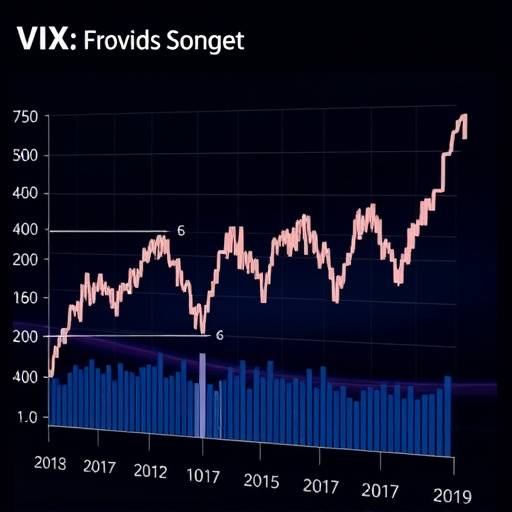
The Volatility Index (VIX), often referred to as the "fear gauge," provides a real-time snapshot of market expectations for near-term volatility. Understanding the VIX is crucial for risk management and identifying potential market turning points. In this article, we delve into the mechanics of the VIX, its relationship with the S&P 500, and practical strategies for incorporating it into your trading decisions. Dr. Sharma highlights that "A spike in the VIX often signals increased investor uncertainty and potential downside risk, while a sustained period of low VIX readings can indicate complacency." This insight provides our users with a significant edge.
Technology stocks are leading the market higher following a string of positive earnings announcements from major players. Analysts at Apex Trading Analytics suggest that this rally could be sustainable, driven by strong underlying growth and continued innovation. However, they caution investors to remain vigilant and monitor macroeconomic indicators closely. "While the outlook is positive, inflation and interest rate hikes could present headwinds in the coming months," warns Senior Analyst, Michael Chen.
Crude oil prices have jumped to a new multi-year high as supply concerns intensify. Geopolitical tensions and production cuts by OPEC+ are contributing to the upward pressure. According to Apex Trading Analytics' commodity specialist, Sarah Johnson, "The current situation presents both opportunities and risks for energy traders. Careful analysis of supply-demand dynamics and geopolitical factors is essential for making informed decisions." Traders should monitor upcoming OPEC+ meetings and inventory reports to gauge the future direction of oil prices.
Bitcoin is consolidating after a period of heightened volatility. The cryptocurrency market remains highly sensitive to news flow and regulatory developments. Apex Trading Analytics advises traders to exercise caution and implement robust risk management strategies. "While Bitcoin has shown resilience, it is still subject to significant price swings. Diversification and prudent position sizing are key to navigating this volatile asset class," emphasizes Cryptocurrency Analyst, David Lee.

Chief Strategist, specializing in algorithmic trading and quantitative analysis. Dr. Sharma holds a doctorate in Financial Engineering from the University of Waterloo and has over 15 years of experience in the financial industry. Her expertise lies in developing sophisticated trading models that leverage statistical analysis and machine learning techniques. Based in Toronto, Dr. Sharma leads the research and development efforts at Apex Trading Analytics, ensuring that our clients have access to the most advanced trading tools and strategies.

Senior Analyst, focusing on global equities and macroeconomic trends. Mr. Chen is a Chartered Financial Analyst (CFA) with extensive experience in portfolio management and investment research. His expertise encompasses fundamental analysis, valuation techniques, and risk management. Mr. Chen's market commentary is regularly featured in leading financial publications. He previously worked at a major Canadian investment bank, before joining Apex Trading Analytics to head the Equities Research Division.

Commodity Specialist, specializing in energy and metals markets. Ms. Johnson holds an MBA from the University of Toronto's Rotman School of Management and has a deep understanding of commodity supply chains and pricing dynamics. Her research provides valuable insights for traders seeking to capitalize on opportunities in the commodities sector. She is based in Calgary and provides unique insights into the Canadian oil industry.
Learn the fundamentals of technical analysis, including chart patterns, indicators, and trendlines. This guide provides a step-by-step introduction to the tools and techniques used by technical analysts to identify trading opportunities. It covers essential topics such as support and resistance levels, moving averages, and candlestick patterns. Whether you're a novice trader or an experienced investor, this guide will help you enhance your understanding of technical analysis and improve your trading performance.
Discover how to assess the intrinsic value of a company using fundamental analysis. This guide covers key financial statements, ratios, and valuation models. It provides a comprehensive overview of the process of evaluating a company's financial health and future prospects. Learn how to analyze balance sheets, income statements, and cash flow statements to identify undervalued stocks. This guide is essential for investors seeking to make informed decisions based on a thorough understanding of company fundamentals.
Master the principles of risk management to safeguard your trading capital. This guide explains various risk management techniques, including position sizing, stop-loss orders, and diversification. It emphasizes the importance of setting realistic goals and managing your emotions. Learn how to calculate your risk tolerance and implement strategies to minimize potential losses. This guide is crucial for traders of all levels who want to protect their capital and achieve long-term success in the markets.
Explore the world of algorithmic trading and learn how to automate your trading strategies. This guide introduces the concepts of backtesting, optimization, and execution algorithms. It covers the basics of programming languages used in algorithmic trading, such as Python and R. Discover how to create and deploy your own automated trading systems. This guide is ideal for traders who want to leverage technology to improve their trading efficiency and profitability.